The governor insisted that the pension deficit compensation and the labor reform must be addressed through dialogue and without impositions that could harm the residents of his district.
Political context and negotiation agenda Today's meeting takes place within a federal agenda that Minister Santilli has deployed since the first week of January, with stops in different provinces to reactivate the channel of dialogue with provincial governors. This approach reflects the tension between the objectives of the national government and the priorities set by some provincial governors, even those not on the front line of the opposition.
In addition to the labor issue, Ziliotto will bring to the meeting an agenda of long-standing economic claims, linked to the debt that the Nation maintains with La Pampa in terms of pension deficit. The Pampean province, which did not transfer its pension funds to the National Social Security Administration (ANSES), claims compensations that today are estimated at multimillion-dollar figures due to the lack of payment updates, a problem that had already been raised in previous meetings with the same Santilli and with the Chief of Staff, Manuel Adorni.
This claim is not new: last December, Ziliotto visited the Casa Rosada and anticipated his province's rejection of the 2026 Budget arguing that "it does not meet our needs" and demanding a concrete response from the national government on the amounts owed.
On Thursday, he is scheduled to travel to Mendoza to talk with Governor Alfredo Cornejo, another of the officials who expressed his support for the project and even asked for a tightening of certain aspects of the reform. On Friday, finally, a meeting of the national political table, headed by Adorni and including Santilli, Patricia Bullrich, Martín and Eduardo "Lule" Menem, Santiago Caputo and Ignacio Devitt, is planned, with the objective of finalizing the legislative strategy that will allow the Executive to consolidate support in Congress.
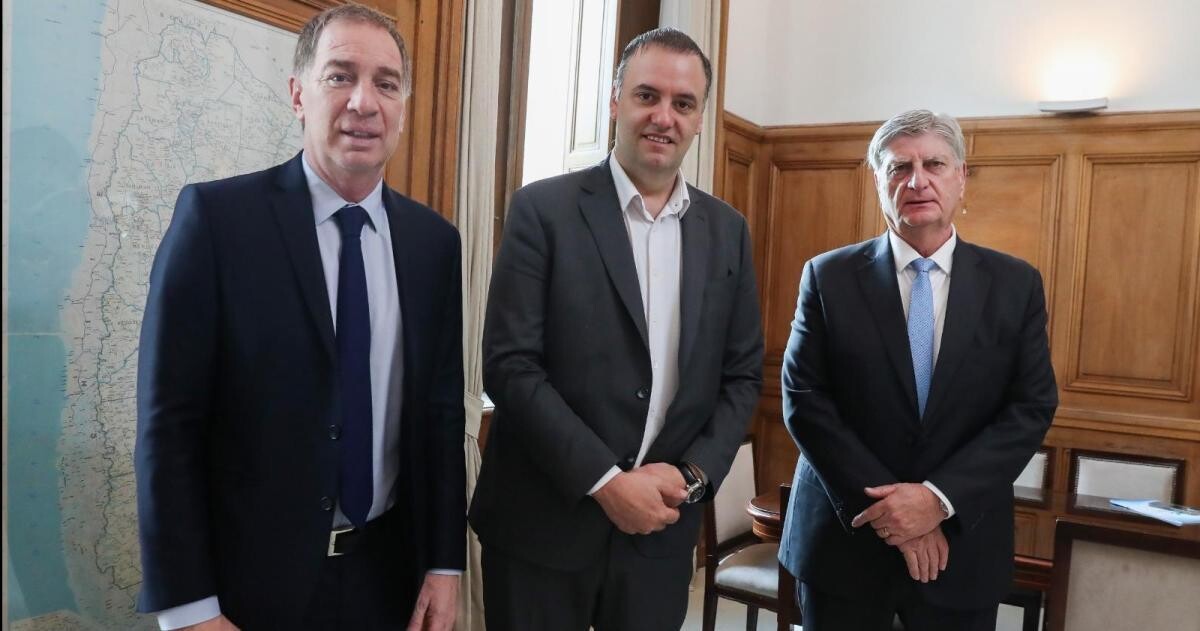
Therefore, today's meeting between Santilli and Ziliotto is presented not only as a particular dialogue instance between the national government and La Pampa, but as another piece within a larger negotiation that seeks to ensure sufficient legislative majorities to advance with the labor reform proposal that the ruling party considers key in its public policy agenda.
Sources consulted Noticias Argentinas El Diario ARÁmbito Infobae